Rewilding Patagonia : 10 actions to reconnect humans and nature
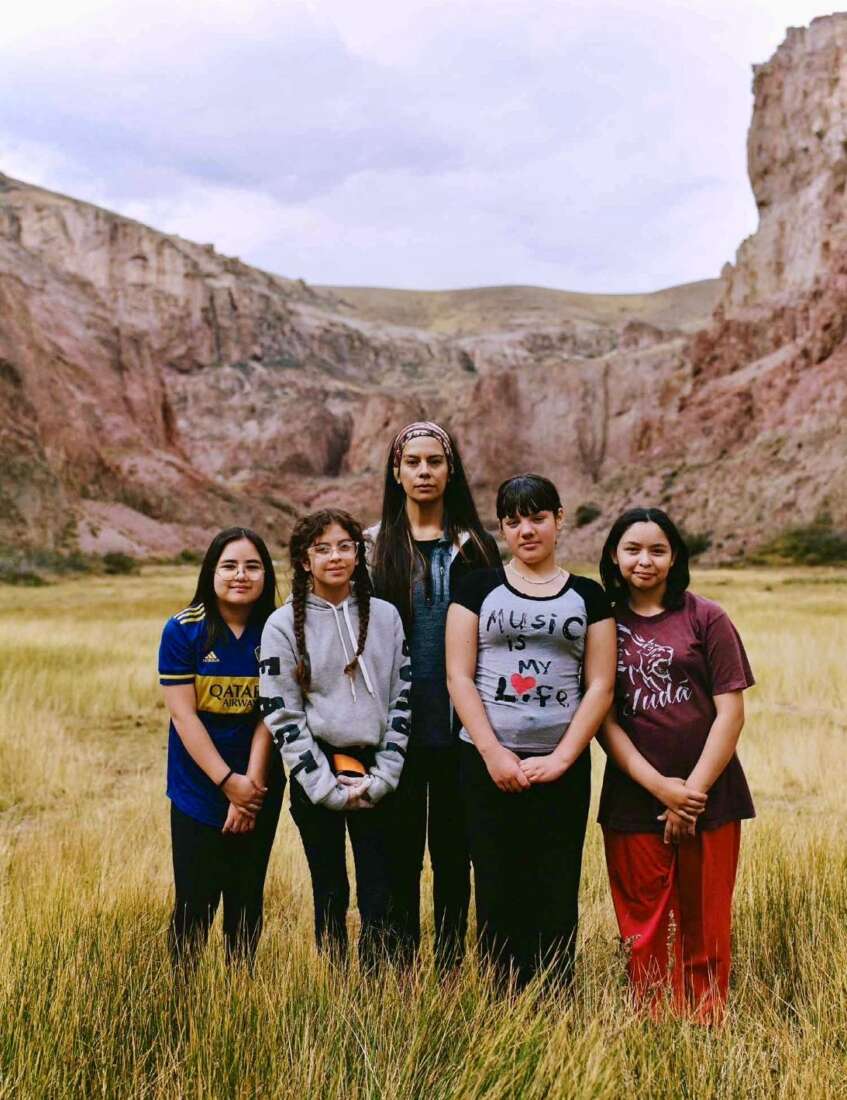
The film Rewilding Patagonia immerses us in the remarkable work of the Rewilding Chile and Rewilding Argentina foundations, which not only protect natural areas, but also demonstrate that it is possible to reconcile biodiversity protection with human community development. They start from a simple premise: there can be no sustainable conservation without local populations.
The foundations have therefore developed strategies to make wilderness a source of collective pride and an economic opportunity for local residents. Each action is designed to transform communities’ perceptions of their environment. The aim is to ensure that residents no longer feel like spectators, but rather active guardians and beneficiaries of their natural heritage.
We have listed 10 concrete actions that make these experiences an inspiring model for rethinking our relationship with nature.
1- Chile’s inspiring presidential tradition
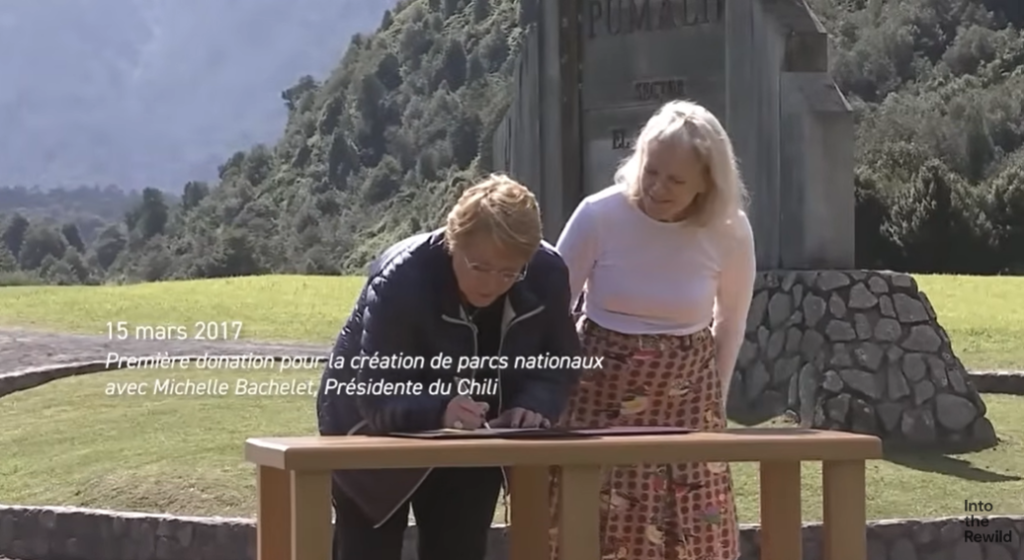
Since 1926, Chile has cultivated a political tradition whereby each president creates at least one national park during their term in office. The Rewilding Chile foundation strategically draws on this concept of “presidential legacy” to convince successive governments to transform private land into public property. This approach elevates conservation to the status of sustainable state policy, integrating nature into the national identity. In France, our presidents have mainly created museums, but could we also create national parks?
2- Organizing community educational workshops
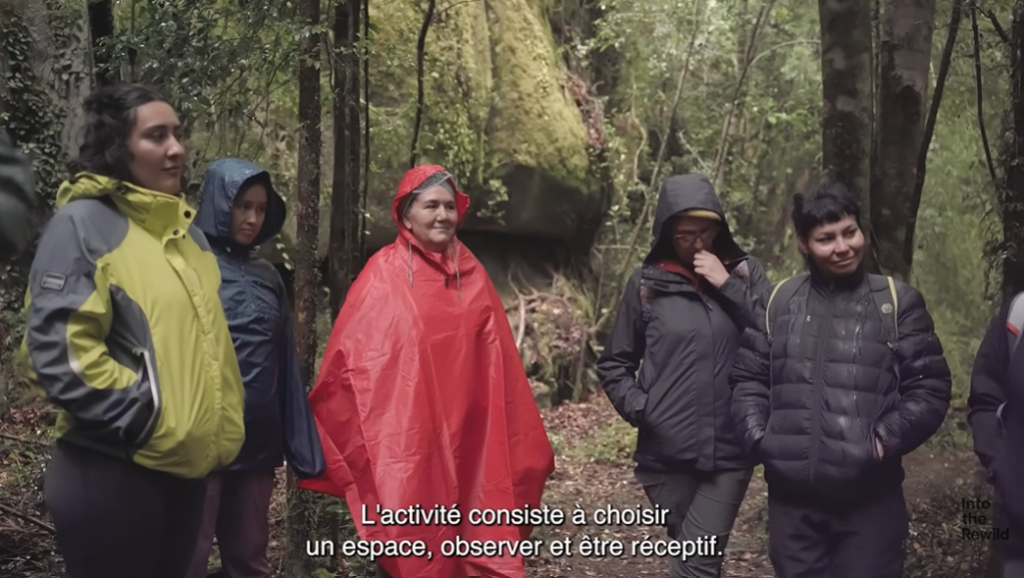
The Amigos de los Parques program organizes field workshops to teach neighboring communities how to observe and better understand their natural ecosystems. These workshops cover a variety of topics such as mushrooms, trees, animals, camera trap surveys, etc. These experiences aim to transform citizens’ perspectives so that they feel pride and a sense of belonging toward their ecosystem. Kristine Tompkins explains that this inclusion is vital because “there is no conservation without communities.”
3- Radio broadcasts as a tool for social cohesion
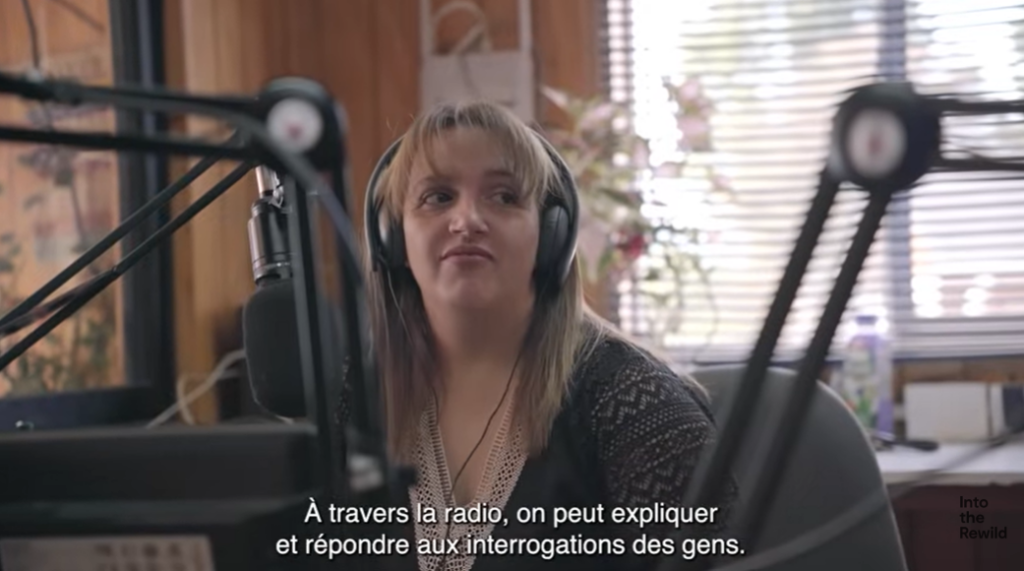
In isolated regions, many residents do not use social media to stay informed. In such cases, local radio stations are an excellent tool for disseminating information through regular broadcasts. These programs cover a variety of topics, such as wildlife, sustainable tourism, and archaeology, to address the doubts and fears of the population. The aim is to inform the community about the actions being taken, showing them that wilderness is a major economic and cultural opportunity.
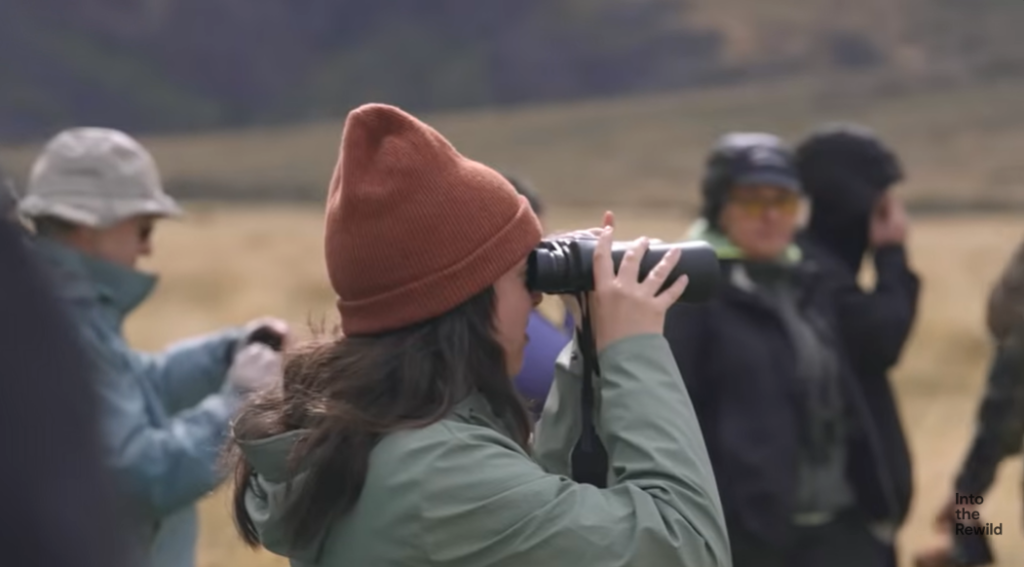
4- Inviting the community to wildlife releases
The foundation invites the community (citizens, schoolchildren, friends) to physically attend significant events such as wildlife releases. By participating directly, citizens go from being observers to active contributors who feel much closer to the protected wildlife. They thus feel that they have contributed to the life of the national park and will be better able to protect it.
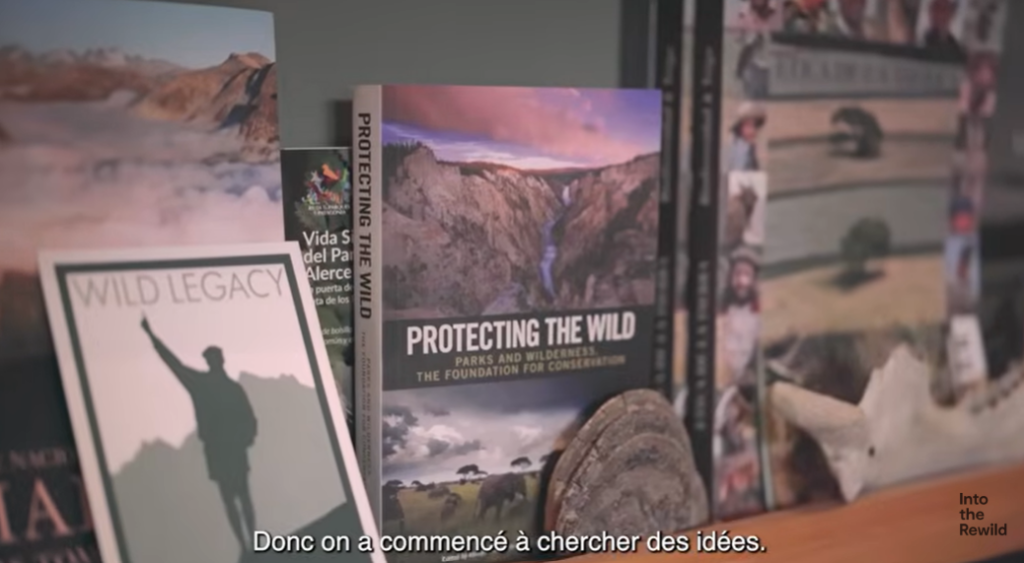
5- Publishing books to anchor national parks in local culture
The launch of books about the parks is organized as a community event to anchor these territories in local history. These books, distributed free of charge to residents, serve as awareness-raising tools so that the park is perceived as a common good belonging to the people. Throughout our filming, we found these books in residents’ homes, cafes, hotels, and restaurants. This strategy creates a popular defense mechanism where citizens mobilize to protect what they have learned to love.
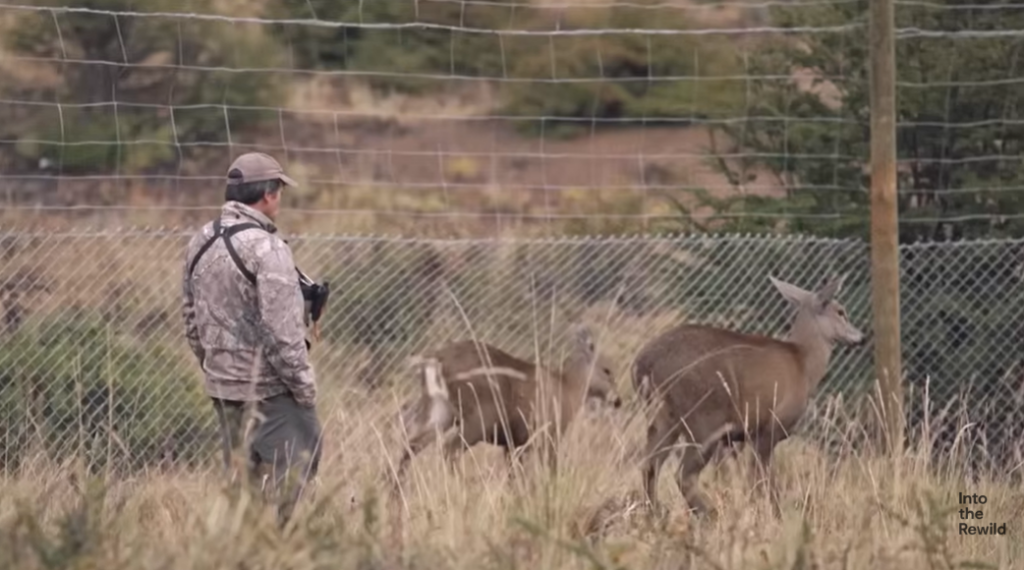
6- Training in nature-based professions
The Rewilding Chile and Rewilding Argentina foundations offer training in guiding and craftsmanship to create jobs and provide economic alternatives to resource extraction. These programs enable former ranchers, hunters, and loggers to transition to a more respectful and sustainable nature-based economy. The goal is to create a “win-win” model where protecting the ecosystem generates skilled local jobs.
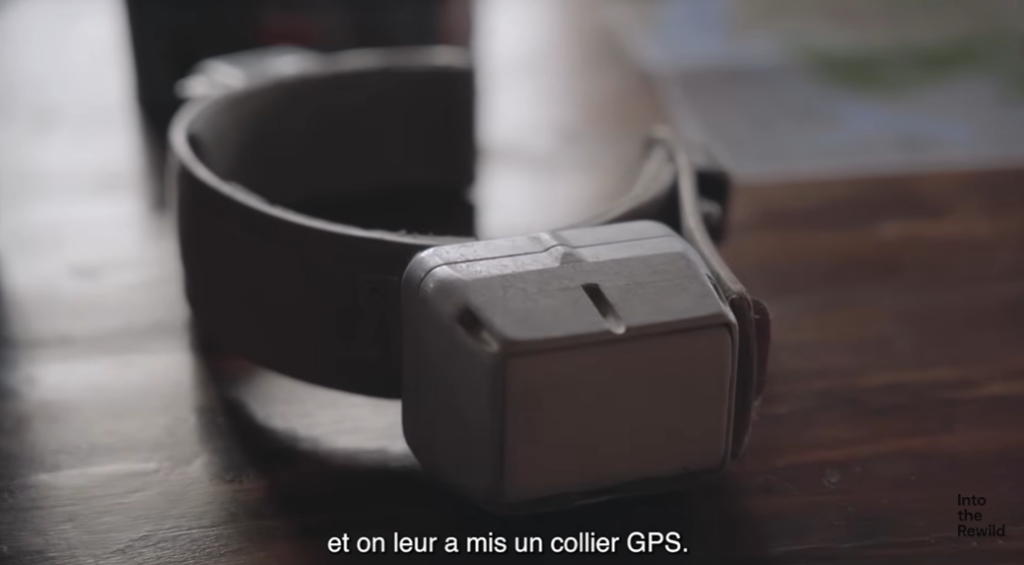
7- Using field data to combat misconceptions
The Rewilding Argentina team uses GPS collars to study pumas and prove with facts that they do not harm (or harm very little) livestock. By showing that 80% of their diet consists of guanacos and only 1 to 3% of sheep, the data deconstructs farmers’ preconceived notions. This work is changing perceptions of the predator, which is now seen as an asset for tourism. Indeed, it is profitable for a farmer to open a bed and breakfast for tourists eager to observe pumas.
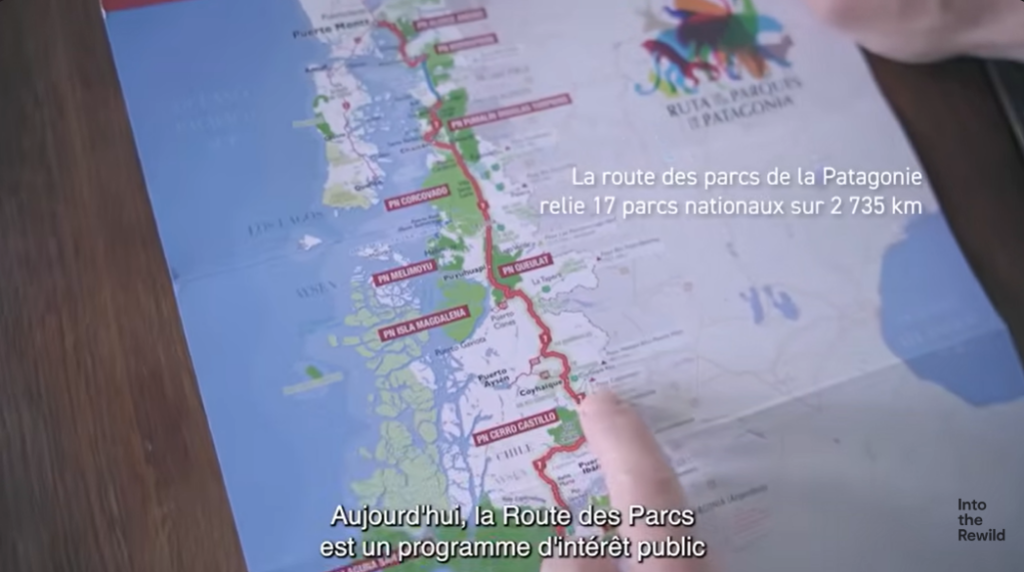
8- Creating a tourist route: the Ruta de los Parques
Inspired by the New Zealand model, this initiative links large-scale conservation with economic development. It offers a tourist route that showcases a third of Chile as a “green line” for the planet. This strategy transforms parks into drivers of sustainable growth for communities. National parks are thus seen as an investment, not an expense.
9- Integration with local authorities
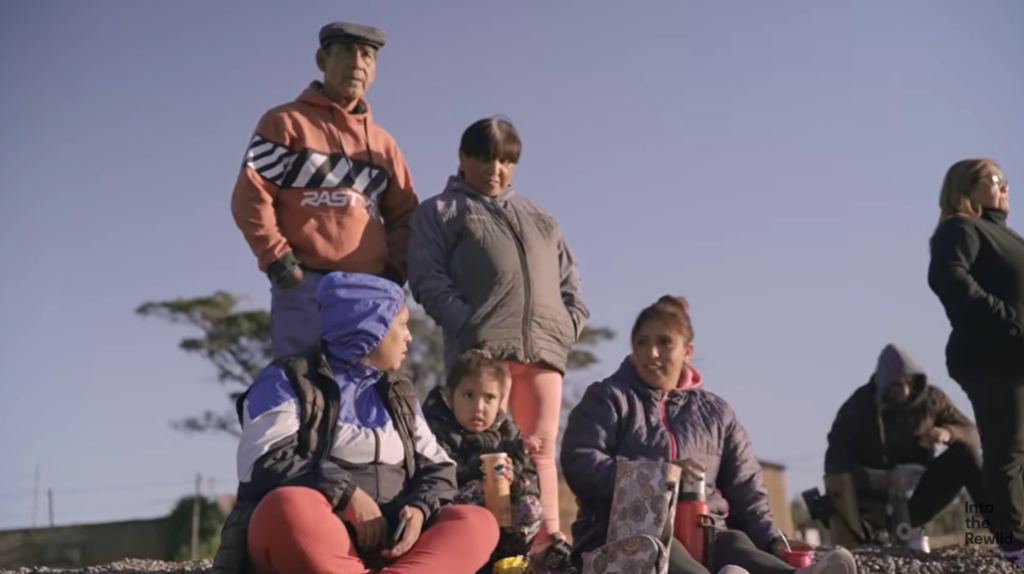
Douglas Tompkins was personally involved in social life, becoming, for example, vice-president of neighborhood councils. This presence in the field allowed him to understand the real issues facing residents and to develop projects in line with their needs. In this way, local communities become the long-term guardians of the parks.
10- Raising awareness among children to reach their parents
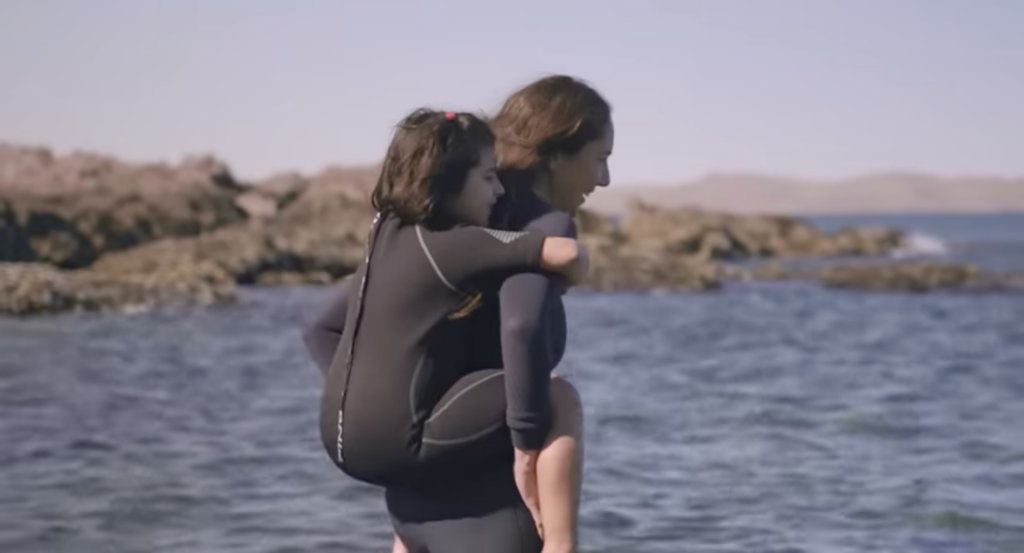
Throughout our filming, we observed the many initiatives put in place to connect children with natural ecosystems. The most telling program is undoubtedly “Club del Mar” in Patagonia Azul, which teaches children to swim in order to connect them with the ocean. These activities also provide an opportunity to teach them about the environment and the species around them. And when they return home, the children teach their parents what they have learned, thereby generating interest and sympathy among parents for the programs that have been put in place!
To (re)watch Rewilding Patagonia, click here.