Bialowieza: how to get to Europe’s last primeval forest without flying?
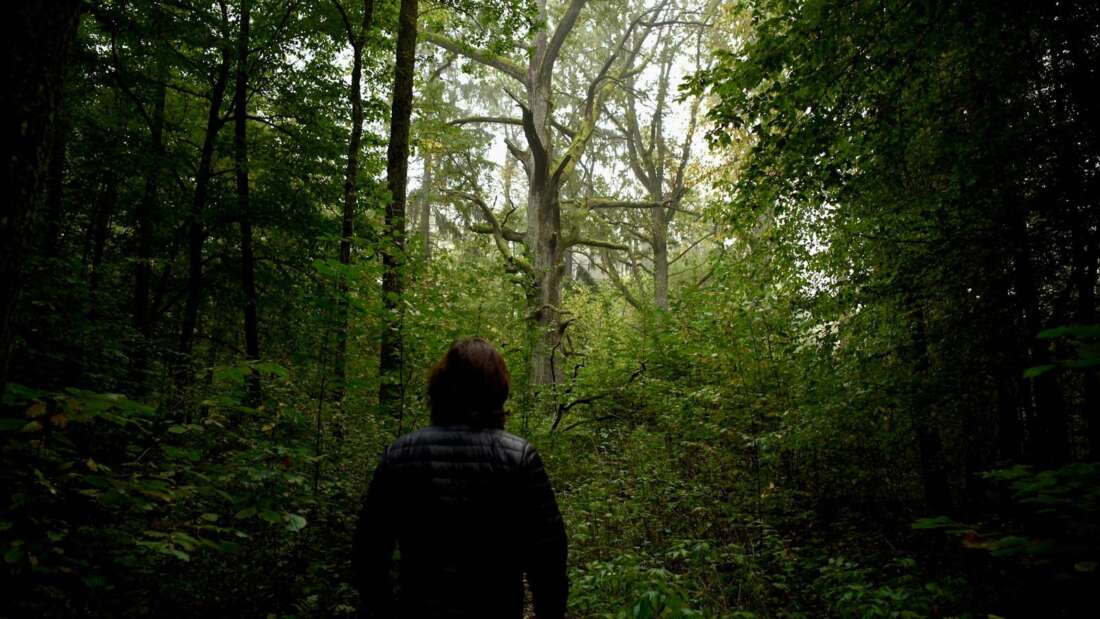
Bialowieza is a unique forest in Eastern Europe, located on the border between Poland and Belarus. It is a primeval forest, meaning that it has never been cleared, exploited or modified by humans. A living testimony to the immense forest that covered the plains of northern and central Europe after the last ice age, Bialowieza was formed around 10,000 years ago. Believe us, it is aesthetically sublime!
It is the largest and best-preserved example of its kind. It covers 140,000 hectares, and since 1932, its heart has formed the Bialowieza National Park. A protected area of 10,000 hectares that has almost never been exploited by humans.
Today, it is the last primary forest in Europe. The other large primary forests are located in the Amazon, Congo and Indonesia, but they are all in decline, threatened by human activity and global warming. Biodiversity there is fragile and in urgent need of protection.
The forest is home to unique flora and fauna. Among them is the European bison, the park’s emblem, which has been successfully reintroduced after nearly becoming extinct. Today, nearly 800 bison live in the wild in Bialowieza, playing a key role in maintaining biodiversity through their movements and natural behaviour.
But the forest is also under threat from modern dangers and political decisions. In 2022, to prevent migrants from crossing over from Belarus, the Polish government began construction of a 186-kilometre-long, 5-metre-high wall that cuts the forest in two, preventing the free movement of species and genetic exchange between them.
Why go there?
Visiting Bialowieza is a unique experience. It is a forest in its prime, with trees that are hundreds of years old, and you cannot fully appreciate the environmental issues at stake without seeing it for yourself.
Pierre Chatagnon, Deputy Secretary General of the Francis Hallé Association: ‘Bialowieza was a shock to my senses and my life. When I discovered it, I felt like I had never seen a forest before.’
Every tree and every path tells the story of nature’s rewilding and resilience. Visiting it means understanding why its preservation is crucial.
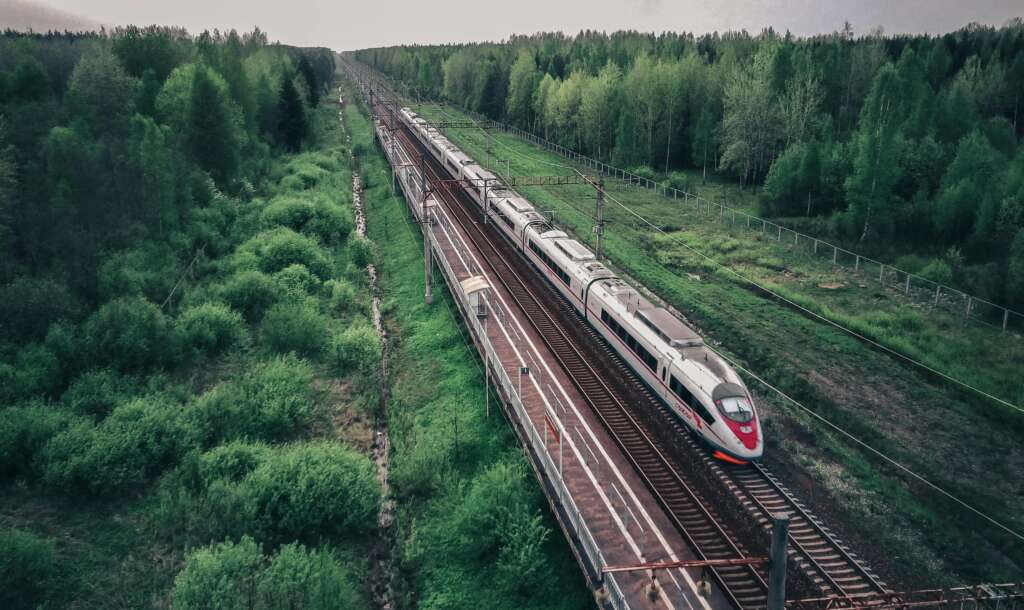
Photo by Aleksandr Sochnev (Pexel)
How to get there?
It takes a little longer, but it’s not too difficult to get to Bialowieza (on the Polish side) from France without flying:
1- Paris → Warsaw by train: The first leg is by train to Warsaw from Paris, Lyon or Strasbourg. The journey may involve several stages with connections in Karlsruhe, Hanover or Berlin.
2- Warsaw → the forest: Once in Warsaw, there are several options:
- By bus — from Warsaw to towns near the forest, such as Białystok, Nowosady or Bialowieza, located close to the Belarusian border.
- By car — hiring a car in Warsaw will give you greater freedom of movement once there (particularly for going to watch the bison in the evenings in the surrounding meadows). Allow for a 3-hour drive from Warsaw.
- By train — you can travel from Warsaw to the town of Hajnówka and then take a taxi to Narewka.
Once there, it’s easy to wander through the freely accessible protected areas to begin your exploration. And the ultimate experience is a guided tour into the heart of Bialowieza National Park. In Narewka, you’ll find the starting point for excursions organised by the Wild Poland association. It is possible to join their excursions without booking the full package they offer (which includes coach transfer from Warsaw and half-board accommodation). This allows you to join them for guided tours led by wildlife experts, with transport provided.
Our recommendations:
- When travelling, always carry your ID (passport or national ID card) as checks are frequent.
- Once near the forest, remember to switch off your phone’s automatic network search; the proximity to the border and the Belarusian network can be very expensive.
How to visit the park?
Once there, visitors have several options:
- Explore the forest on your own in areas outside the national park, on marked trails. It is easy to see animals, mushrooms, and even bison in the evening in the surrounding plains.
- Visit the heart of the national park from the town of Bialowieza, accessible only with a guide to respect the sensitive ecosystems. You can find a list of guides here (to find a guide who speaks French, for example). Guides are paid by the hour, and you will also need to pay the park entrance fee. A word of advice: take the whole day, leave early in the morning and opt for the ‘specialist’ trail 🙂
- The bison reserve, which guarantees you will see these magnificent creatures up close and safely.
Link to the park’s website. Have a great trip!
(Thank you to Frédéric Serra, who tried it out and shared some practical tips with us !)